Is Your Greeley, CO Well Water Safe? What a Water Quality Test Reveals About Your Household Water Pump Repair Needs
Water quality testing matters for every private well-owner in Greeley, CO. Understanding what a test reveals can help you decide whether household water pump repair is a missing piece in your home's safety picture. Many homeowners focus on taste and appearance, but the real risks often stay invisible until a proper test is done.
How Your Pump Affects What Comes Out of the Tap
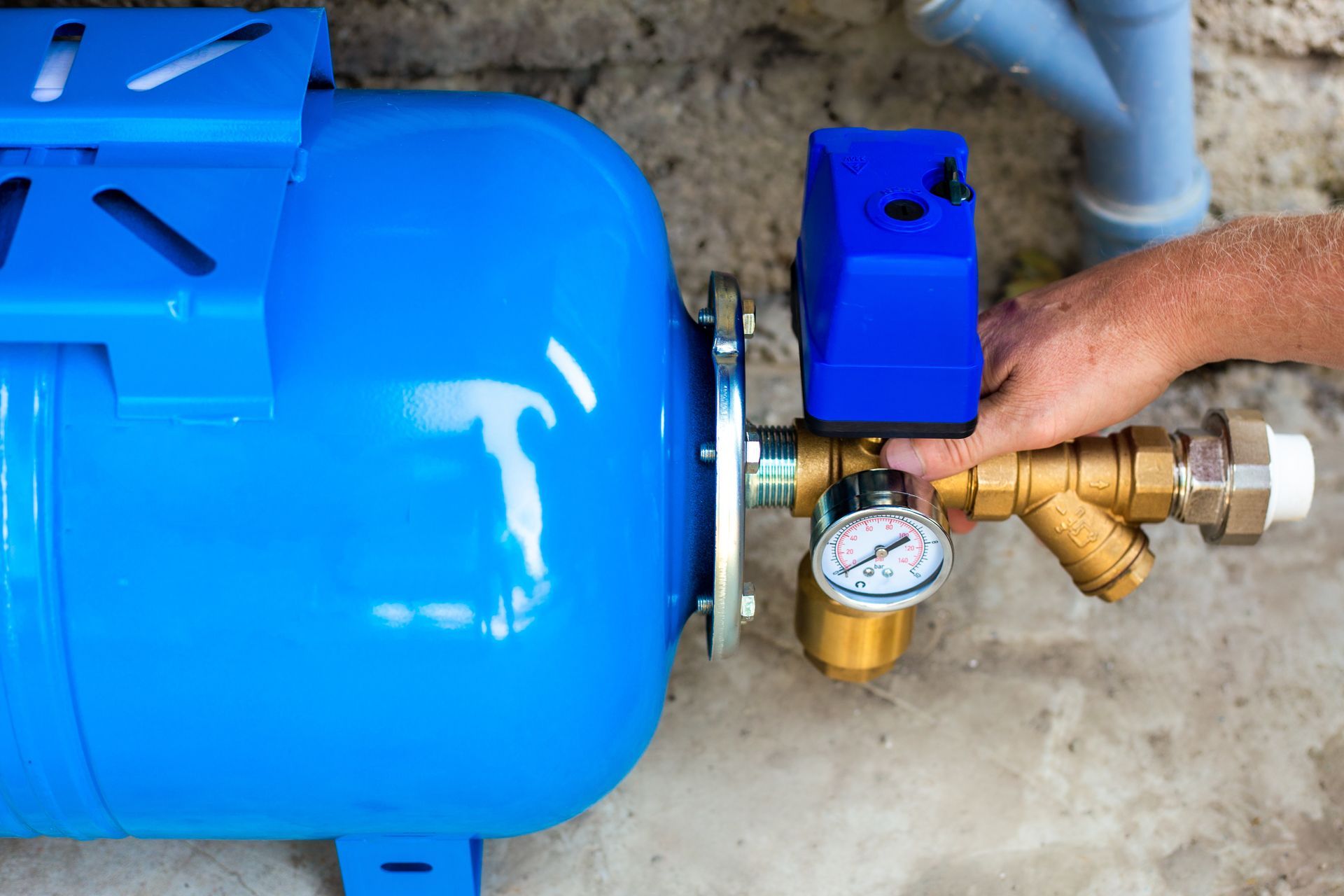
Your pump directly influences the quality of every drop of water in your home. A worn pump impeller can pull sediment and rust into the water column. A cracked or deteriorating well casing can allow surface water to seep in, introducing bacteria that bypass natural filtration. In both cases, household water pump repair in Greeley, CO, may eliminate a significant contamination source before it reaches your family.
Corroding pump components may leach iron and manganese into your water supply. Damaged casings can allow surface runoff carrying fertilizer residue and coliform bacteria to enter the system. These problems often appear in test results long before you notice them by taste or smell.
What Does a Water Quality Test Actually Measure?
A professional water quality test measures contaminants most likely to affect private well owners. Common parameters include coliform bacteria, E. coli, nitrates, arsenic, iron, manganese, pH, hardness, and total dissolved solids (TDS).
Nitrates deserve special attention in the Greeley area. Weld County sits in one of Colorado's most active agricultural corridors, and fertilizer runoff is a documented concern for private well water. The Colorado Department of Public Health and Environment (CDPHE) recommends that rural well owners test regularly, particularly for nitrates and coliform bacteria. Household water pump repair alone cannot fix a nitrate issue rooted in surface contamination, but it can eliminate pump-related pathways that compound the problem.
Warning Signs That Something May Be Wrong
Several physical clues can suggest your water quality has changed.
▸Discoloration such as orange or brown tints may point to iron or sediment from corroding pump parts.
▸A rotten egg or sulfur odor can indicate bacterial activity or hydrogen sulfide in the water.
▸A metallic taste often signals iron, manganese, or corrosion from aging pump components.
▸Cloudy or milky water shortly after running the tap may suggest sediment intrusion or pressure issues tied to pump performance.
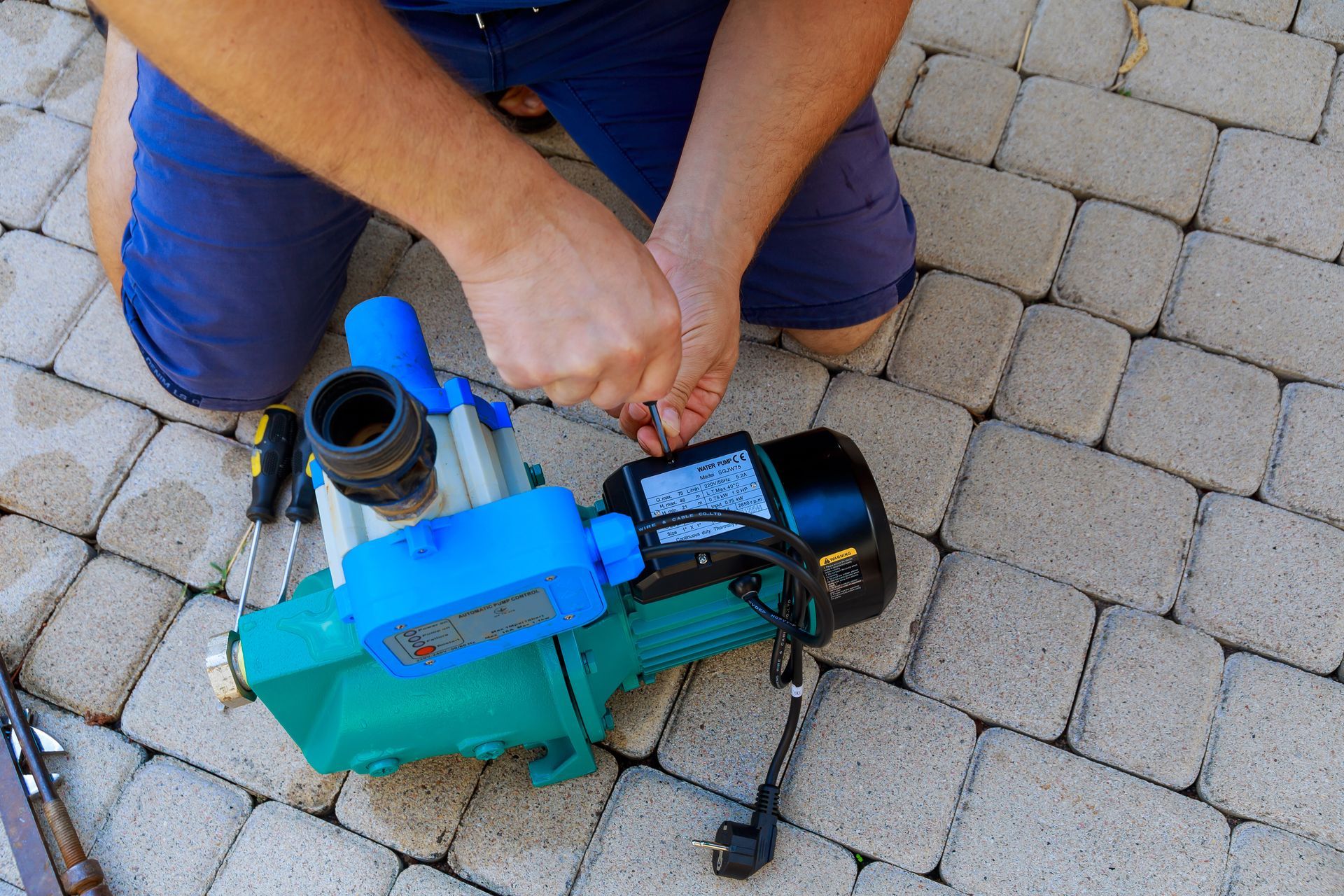
Scheduling a home water pump repair evaluation alongside water quality testing gives you a clearer picture of whether mechanical issues are contributing to your results.
What the CDPHE Recommends for Private Well Owners
The CDPHE advises private well owners to test their water at least once a year for bacteria and nitrates, and more frequently if the well is near agricultural land or if changes in taste, odor, or appearance are noticed. Testing kits can be obtained through certified Colorado laboratories, and results can guide whether water treatment or household water pump repair is the appropriate next step.
Ready to Protect Your Greeley Area Water Supply?
If your pump is pulling sediment, corroding internally, or failing to maintain consistent pressure, those issues may be contributing to the results you see on a water quality test. Fixing the pump does not replace testing, but it removes one important variable.
Ault-based Quality Well & Pump proudly serves Greeley and the surrounding Weld County area with experienced well and pump technicians. To learn more, visit the household pumps page. To schedule a consultation, visit the contact page or call (970) 353-3118 today.